Polymathic Blog
Philosophy, technology, and the future of work

If you want a glimpse of the future, start with the numbers.

McKinsey estimates that 375 million workers worldwide will need to switch occupations by 2030. Not retrain, not take a course, but switch careers entirely. At the same time, the World Economic Forum projects that 50% of all employees will need reskilling by 2025. That’s not “someday.” That’s right now.

We are staring at a workforce transformation of staggering scale, and the truth is: our current education system is not built for it.

 read more >

Building the Slate dashboard revealed a fundamental architectural insight: moving data fetching from browser to build-time solves security, CORS, and reliability problems that plague client-side dashboards. This exploration of server-side generation demonstrates how keeping credentials on servers and eliminating browser-based API calls creates superior security and user experience. read more >

Building a bridge between Claude Desktop and Trilium Notes reveals how AI assistants can transform personal knowledge management from manual search interfaces to natural conversation. This exploration of practical AI integration demonstrates the technical patterns and user experience principles that make conversational knowledge work possible. read more >

A comprehensive technical deep-dive into transforming self-hosted infrastructure architecture through Docker Tailscale sidecar patterns, documenting the evolution from traditional networking approaches to a revolutionary containerized ‘personal OS’ methodology. This article chronicles the complete journey from initial networking frustrations—managing dozens of port forwards, firewall configurations, and certificate headaches—to discovering an elegant solution that fundamentally changes how we architect secure, distributed personal infrastructure. The piece explores the critical shift from monolithic server thinking to Docker’s ‘independent servers’ philosophy, where each containerized service (password managers, media streaming, file storage, monitoring tools) operates as its own isolated server while maintaining seamless mesh network connectivity. Through detailed technical implementations, real-world configuration examples, and security analysis, the article demonstrates how Tailscale sidecars eliminate the classic self-hosting dilemma: achieving cloud-like convenience and accessibility while maintaining complete control and security without becoming a full-time systems administrator. Key technical insights include network namespace sharing mechanics, production-hardened Docker configurations, performance benchmarking results, security model transformations from network-based to identity-based threats, and scalable deployment patterns validated across 15+ production services. The article provides battle-tested configurations for popular self-hosted services (Vaultwarden, Jellyfin, NextCloud, Grafana), addresses common implementation pitfalls, and offers practical recommendations for both development and production environments. This represents a paradigm shift from traditional VPN/reverse proxy architectures to mesh networking approaches that honor Docker’s containerization benefits while solving remote access challenges through cryptographically secure, zero-trust networking principles. The solution scales through simple repetition rather than complex orchestration, making it accessible to both hobbyist self-hosters and professional DevOps engineers seeking simplified yet secure infrastructure patterns. read more >

Bookmark: What fully automated firms will look like

“AI firms won’t be constrained by what’s scarce or abundant in human skill distributions – they can optimize for whatever abilities are most valuable."?4:0†source?
What fully automated firms will look like

The concept of fully automated firms posits a radical transformation in business operations through artificial general intelligences (AGIs). Such entities would transcend the capabilities of human organizations by eliminating current bottlenecks in hiring and training. With AI, firms could replicate not only individual, high-caliber talent but also entire successful teams, …

 read more >

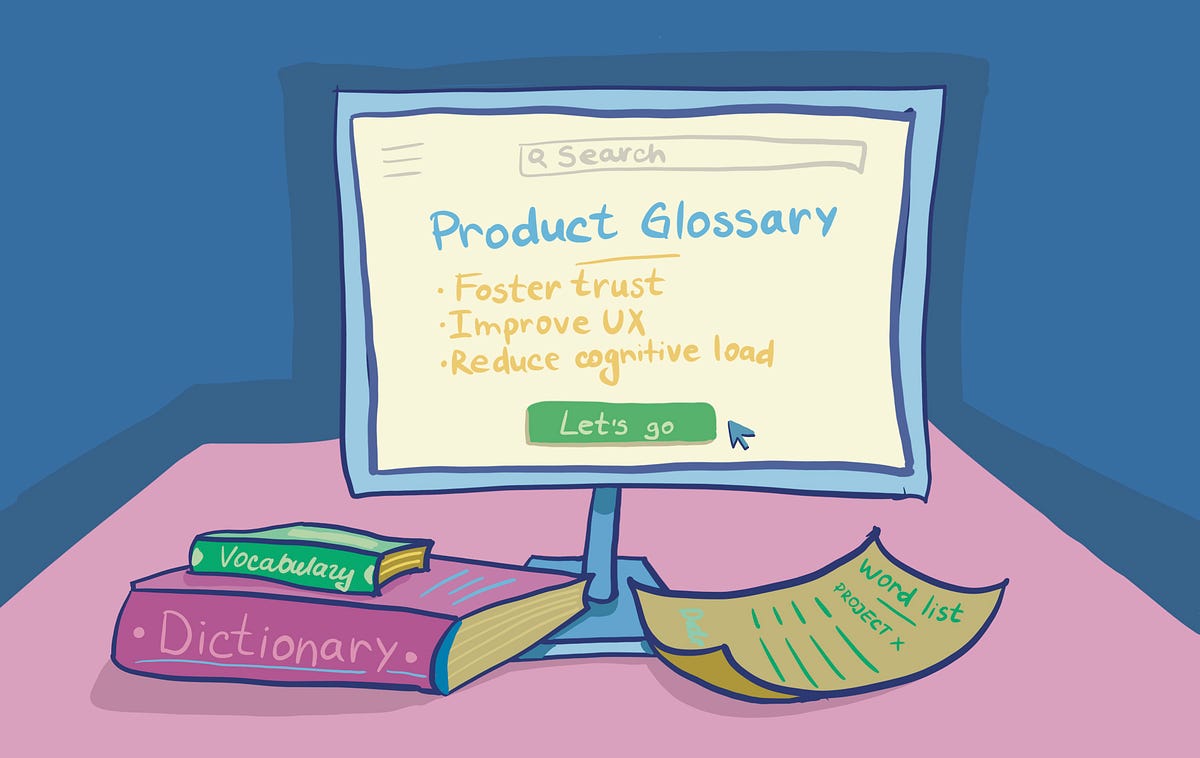
When and why to create a Product Glossary for your team

“A regularly maintained glossary ensures that people get only correct and current information. For the product it benefits in mitigating legal risks associated with outdated or inaccurate communications.”

When and why to create a Product Glossary for your team

Understanding the Importance of a Product Glossary for Your Tech Team

In today’s fast-paced technological landscape, maintaining consistent and clear communication across all channels is paramount. The recent article by Lisa Vorobeva underscores the transformative potential of a well-crafted product glossary, a tool that …

 read more >

Bookmark: I’m Not Convinced Ethical Generative AI Currently Exists

“Some devs are working on approaches to fairly compensate people when their work is used to train AI models, but these projects remain fairly niche alternatives to the mainstream behemoths.” I’m Not Convinced Ethical Generative AI Currently Exists

The article explores the ethical dilemmas associated with generative AI, noting two main concerns: the opaque acquisition of vast datasets and the substantial environmental footprint of these technologies. The major players in the AI field often disregard the need for consent from content creators whose works fuel these AI models, …

 read more >

Bookmark: The middle manager crisis: most young workers say the role is ‘high stress, low reward’

“Gen Z is seeing people talk about burnout, and they’re thinking, ‘If that’s what’s coming, I would rather design a career that actually serves me, versus working myself into the ground for somebody else’s benefit,’” - Natasha Stanley, career coach at Careershifters.org.
The middle manager crisis: most young workers say the role is ‘high stress, low reward’

The document discusses the changing attitudes of Generation Z towards traditional corporate hierarchies. A significant portion of Gen Z, 52%, prefer not to become middle managers as revealed by a survey from Robert Walters. …

 read more >