Article analysis: Forget work life balance. It’s the future of less work
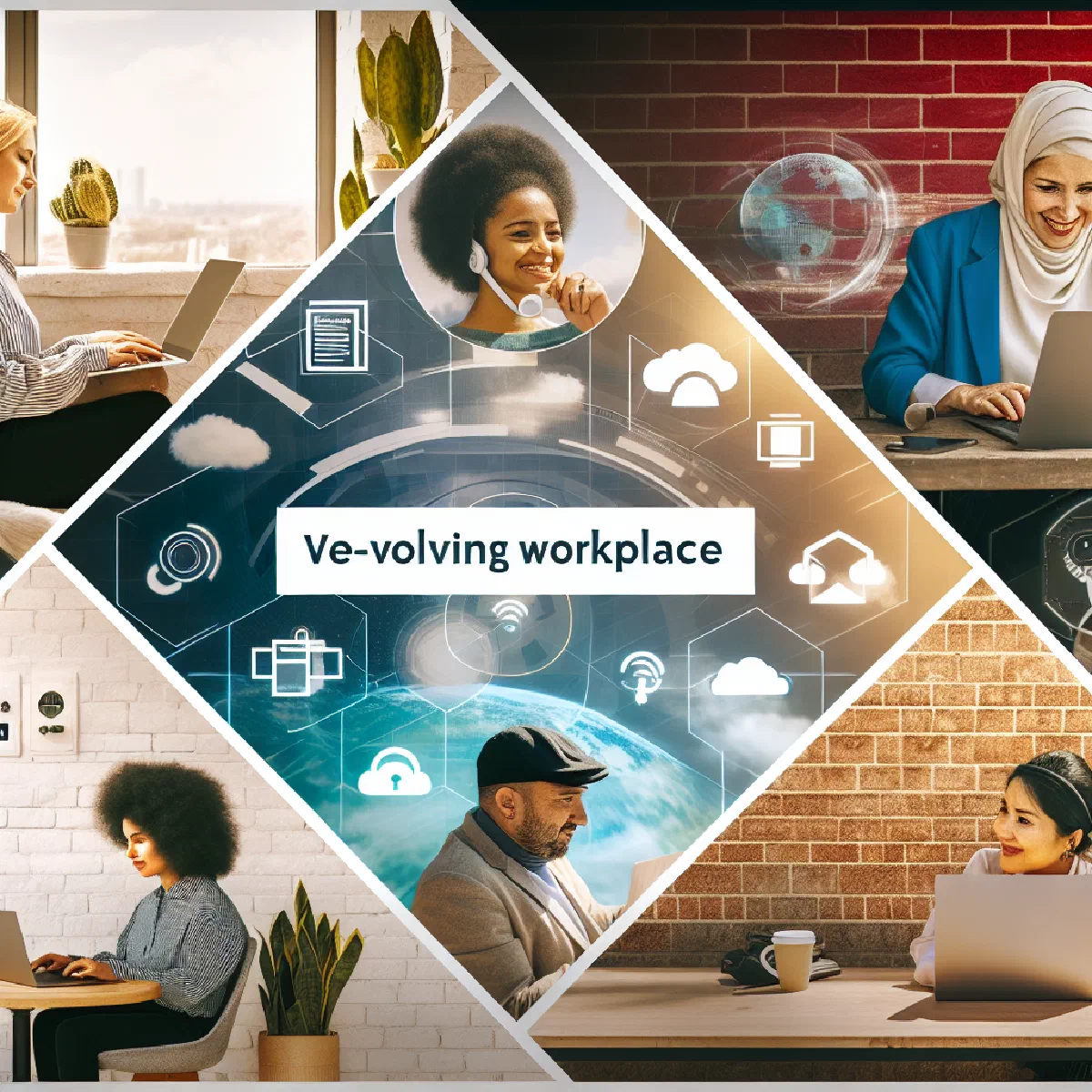
Discover how the future of work prioritizes less hours and greater fulfillment, reshaping workplace dynamics for a more balanced life.
The article offers an insightful perspective with the statement: “The post-COVID workplace debate is often framed as a fight over how many days employees should be in the office, but it’s really about something much bigger: a new social contract—the future of less work—where the emphasis is on finding a more sustainable and meaningful way to balance professional and personal fulfillment.” This quote encapsulates the central thesis and evolving nature of workplace dynamics.
Summary
The article “Forget Work Life Balance. It’s The Future Of Less Work” explores the ongoing transformation in workplace expectations and social contracts. Traditionally, career success was tied to long hours and loyalty to a single employer, but this model is being challenged. Employees now seek to rebalance professional and personal life dynamics, favoring less work over the relentless hustle. The shift has been accelerated by the pandemic, broadening acceptance of remote and hybrid working models as a new actuality rather than an exception. The article highlights how the concept of workplace has evolved; work is increasingly location-independent due to technology, allowing for flexibility previously unimagined. This freedom has fueled the rise of digital nomadism, with the MBO Partners 2024 report indicating a significant increase in U.S. digital nomads, reflecting this change. Additionally, movements like “quiet quitting” and “FIRE” (Financial Independence, Retire Early) suggest a reevaluation of work-life priorities, opposing traditional career structures. This paradigm shift extends into how work is perceived financially, with a rise in freelancing, micromarket ventures, and gig economies indicating a desire for autonomy and control. As the workplace conversation continues to evolve, employees are no longer merely requesting flexibility; they demand it, redefining the career as a component of life rather than its center. Failing to appreciate this change, employers risk disengagement and attrition, underscoring the need for a new, more equitable social contract in work dynamics.
Analysis
The article presents a compelling narrative about the evolving social contract around work, aligning with my belief in a tech-forward and adaptable workforce. Its strength lies in recognizing the shift from traditional metrics of success to a model prioritizing personal fulfillment and flexibility, which reflects the broader societal transformation towards digital and remote work environments. However, there are areas that require further scrutiny. Although the article champions digital nomadism and remote work, it lacks substantial data on the potential impacts on productivity and organizational culture, a critical factor for truly understanding the broader implications. Additionally, the claim that movements like quiet quitting herald a future of less work may oversimplify the complexity of work dynamics; for some, these movements might reflect deeper systemic issues with employment satisfaction beyond just hours worked. The arguments would benefit from more robust evidence or case studies showcasing how these trends tangibly improve productivity or employee satisfaction long-term. From my perspective, the article aligns with the thrust towards operational excellence and technology-driven adaptation but could reinforce its claims with clearer examples of how this emerging social contract enhances innovation and creativity when AI and humans collaborate. Without such evidence, it risks being an aspirational narrative rather than an actionable blueprint for businesses.
Nobody takes you aside anymore
Print taught a generation when to stop. What we lose when the machines absorb the constraints that used to form us.
Your AI agents need a water cooler
Coordination is a property of the room, not the org chart. What that means when your coworkers are agents.
On the death of the author and the birth of the detector
Why worrying about AI authorship is lazier, and more prejudiced, than it looks.
The work of being available now
A book on AI, judgment, and staying human at work.
The practice of work in progress
Practical essays on how work actually gets done.
Article analysis: Analyzing unionization trends: Why 67% of American tech workers are interested in joining a union
Explore why 67% of American tech workers are drawn to unionization, revealing key differences across major companies like Intuit, Apple, and Tesla.
Article analysis: The AI advantage: Why return-to-office mandates are a step back
Explore how return-to-office mandates hinder workplace progress and trust, while AI-driven hybrid models boost employee morale and productivity.
Article analysis: The future of remote work: Navigating the clash between employers and employees
Explore the clash between employers and employees over remote work policies and discover what the future holds for the workplace landscape.