Bookmark: Artificial intelligence and the new human experience
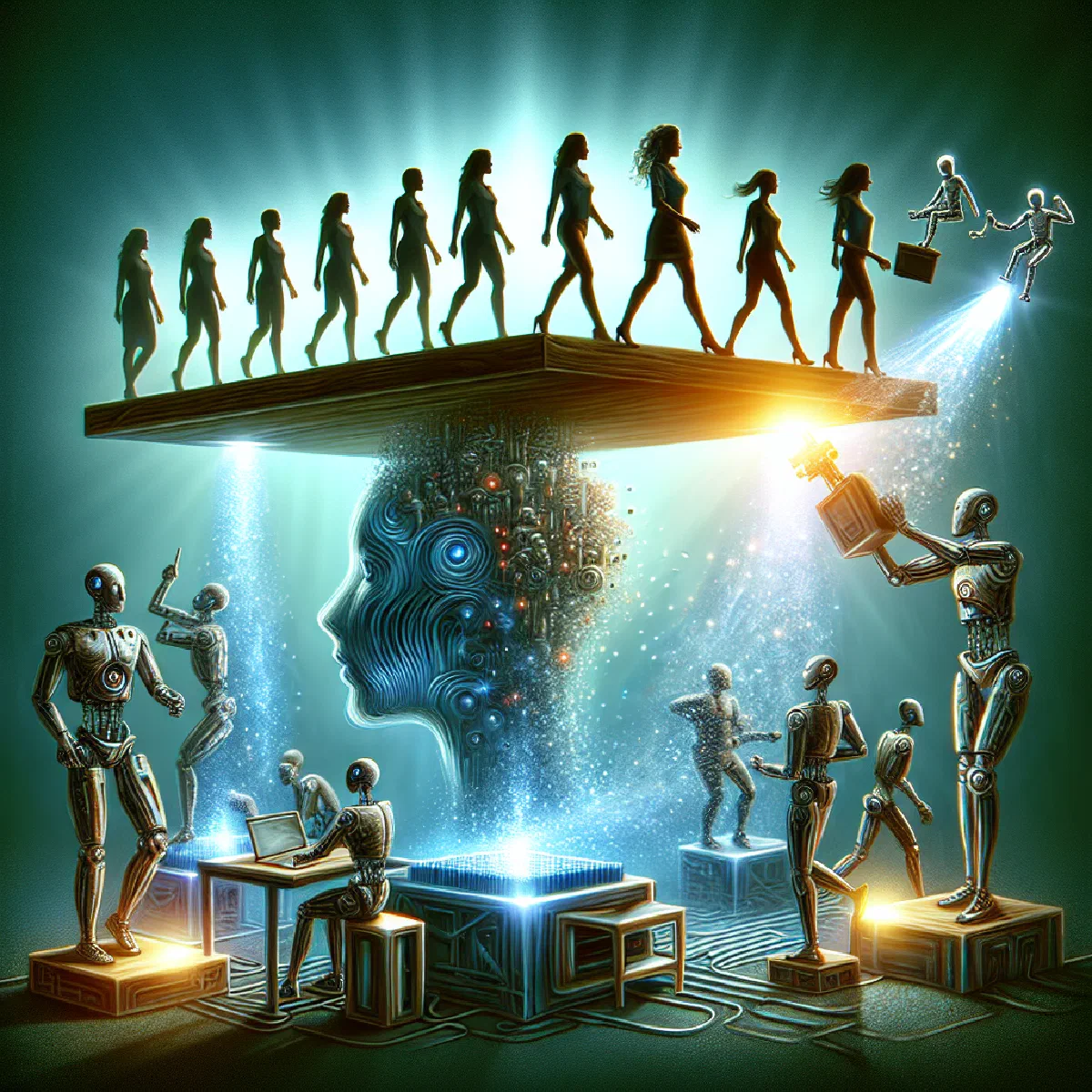
Explore how AI is reshaping the workplace, enhancing human roles, and emphasizing creativity, adaptability, and emotional intelligence for future success.
A relevant quote from the article is: “AI isn’t here to replace us—it’s here to elevate the roles we play. In an AI-driven workplace, employees are valued for their uniquely human abilities, from leading teams to designing novel solutions.”
Artificial Intelligence and the New Human Experience
The rapid rise of artificial intelligence (AI) within the workplace is redefining employment paradigms. Unlike past technological revolutions that altered methodologies, AI transforms the fundamental reasons for work. This transition emphasizes adaptability, creativity, and emotional intelligence, allowing employees to shift from repetitive tasks to strategic roles. While AI efficiently handles data entry and scheduling, human skills like problem-solving and emotional intelligence gain prominence. For instance, in healthcare, AI aids in diagnosis, but human empathy remains vital for patient care, reflecting a symbiotic AI-human future. This dynamic demands new skill sets and roles, including AI specialists and ethicists, allowing humans to focus on creativity and strategic planning. Concerns about job displacement remain, yet AI also creates novel opportunities while enhancing traditional roles, reinforcing the importance of uniquely human qualities in the tech-augmented workplace. Businesses must cultivate these human-centric skills to succeed in an AI-driven era, reinforcing that AI complements rather than replaces human potential.
Nobody takes you aside anymore
Print taught a generation when to stop. What we lose when the machines absorb the constraints that used to form us.
Your AI agents need a water cooler
Coordination is a property of the room, not the org chart. What that means when your coworkers are agents.
On the death of the author and the birth of the detector
Why worrying about AI authorship is lazier, and more prejudiced, than it looks.
The work of being available now
A book on AI, judgment, and staying human at work.
The practice of work in progress
Practical essays on how work actually gets done.
Article analysis: Gusto’s head of technology says hiring an army of specialists is the wrong approach to AI
Gusto's tech head argues for leveraging existing staff over hiring specialists to enhance AI development, emphasizing customer insights for better tools.
Bookmark: “Only 3 jobs will survive ai”: Bill gates is very pessimistic about the future of work
Bill Gates warns that only energy, biology, and AI programming jobs will thrive in an AI-driven future. Embrace digital skills to stay competitive.
Bookmark: Marc Benioff says that from now on ceos will no longer lead all-human workforces—Enter the new era of AI coworkers
Discover how Marc Benioff envisions CEOs leading hybrid teams of humans and AI, transforming workforce dynamics and enhancing productivity.