Bookmark: Why tomorrow’s breakthroughs will come from polyintelligent thinking
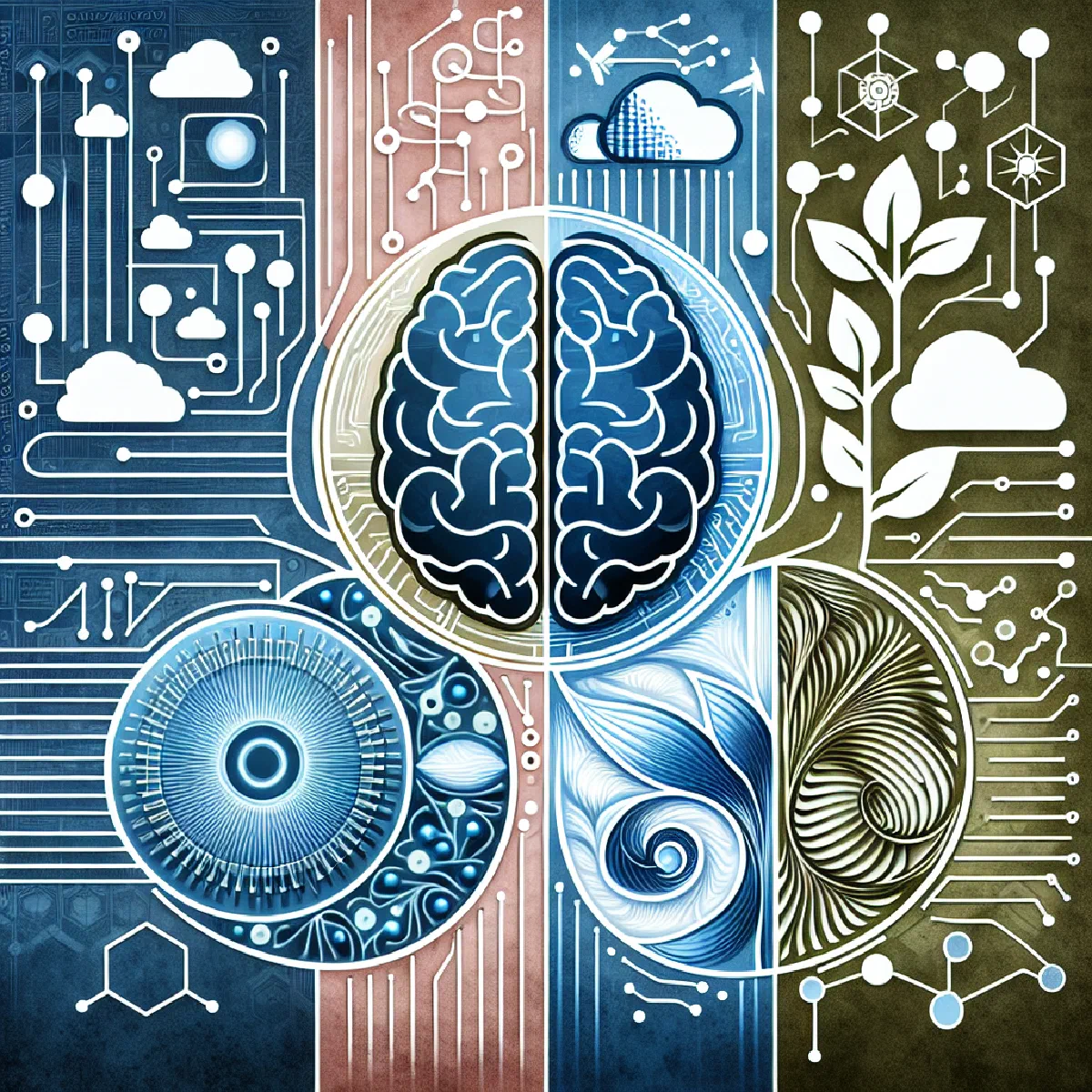
Unlock future innovations with polyintelligent thinking, merging human, AI, and nature's intelligence for breakthroughs in biotechnology and beyond.
“Nature is far more intelligent than we humans have ever understood.”
Why tomorrow’s breakthroughs will come from polyintelligent thinking
The future of innovation hinges on polyintelligent thinking, which integrates three key intelligences: human, artificial, and nature’s intelligence. This approach moves beyond the current focus on human and AI fusions, embracing the adaptive and insightful patterns in nature as identified by luminaries like Leonardo da Vinci. Da Vinci’s work reflected an understanding that nature’s intelligence, seen in systems such as plant communication, insect swarm behavior, and whale songs, can inform broader, interconnected systems of knowledge. This holistic vision is especially pertinent today as the convergence of these intelligences promises breakthroughs, particularly in biotechnology. Polyintelligence is reshaping fields from synthetic biology to drug development by unlocking new possibilities through the synthesis of natural models, human insight, and AI-driven analysis. The Human Genome Project exemplifies this, where continued fusion of these forces provides novel medical insights. Additionally, polyintelligent approaches are enabling the crafting of unprecedented proteins for therapeutic uses, showcasing nature’s linguistic framework. In summation, embracing nature’s intelligence alongside human and artificial intelligence could lead to profound advancements, offering richer solutions to global challenges.
Nobody takes you aside anymore
Print taught a generation when to stop. What we lose when the machines absorb the constraints that used to form us.
Your AI agents need a water cooler
Coordination is a property of the room, not the org chart. What that means when your coworkers are agents.
On the death of the author and the birth of the detector
Why worrying about AI authorship is lazier, and more prejudiced, than it looks.
The work of being available now
A book on AI, judgment, and staying human at work.
The practice of work in progress
Practical essays on how work actually gets done.
Article analysis: Technological trends in 2025: Opportunities, risks, and ethical challenges
Explore the top technological trends shaping 2025, uncovering opportunities and ethical challenges that individuals and businesses must navigate.
Collaborative intelligence: Harnessing AI to amplify human potential
Discover how to leverage AI to boost efficiency and productivity, transforming everyday tasks and amplifying human potential in the workplace.
Jasper is a useful tool for developing employee training.
Transform employee training with Jasper by aligning programs to business goals, engaging diverse learning styles, and using innovative methods for success.