Polymathic Blog
Digital transformation, higher education, innovation, technology, professional skills, management, and strategy

Innovation: innovation

38 posts tagged with "innovation"

Previous research by International Labour Organisation shows that various jobs will likely be replaced rather than improved by AI.

The International Monetary Fund (IMF) has warned that the increasing use of artificial intelligence (AI) could exacerbate income inequality on a global scale. The adoption of AI is likely to reduce labour demand and wages for workers in sectors that are not highly augmentable by AI, pushing them towards poverty. On the other hand, tech-savvy and younger workers who can harness AI to enhance their productivity may earn increased wages, creating a wider pay gap. The IMF also highlighted that wealthier countries, despite being more exposed to AI-related disruptions, are better prepared to benefit … read more >

Revolutionizing Academia: AI Tools

This article highlights several AI tools that are reshaping the landscape of academia. Wordvice AI Writing Assistant offers real-time enhancements and feedback on grammar and style, as well as paraphrasing and summarizing tools. ChatGPT provides support for data retrieval, literature reviews, and idea generation. Typeset.io streamlines the writing and publishing process with predefined templates and automated formatting. Scite.ai helps with fact-checking by providing precise numbers of publications supporting or refuting specific claims. Quillbot enhances language and assists with … read more >

Google Criticized for Privacy Issues

Ian ‘Hixie’ Hickson, a prominent figure in the Flutter community, has left Google. Despite not being as public as other contributors, Hixie wrote a blog post upon his departure, offering insights into Google’s actions and the criticism it faces. He defends Google’s intentions, such as with Google Books, and argues that some privacy advocates harm users by opposing beneficial Google proposals. He also laments the prevalence of unnecessary cookie warnings resulting from public cynicism towards well-intentioned projects. This resonates with the author’s recent … read more >

Leaders are in a losing battle with their employees over office attendance.

Leaders are in a losing battle with their employees over office attendance. Corporate leaders and their employees are in a fight for the soul of the workplace. For many of us, the outcome will define our work life for decades.

https://www.usnews.com/opinion/articles/2023-10-03/it-is-time-to-end-the-war-on-remote-work

 read more >

The Complementary Role of AI

The web article discusses the role of AI-based tools in relation to human intelligence. It highlights that while AI has transformed various industries, including HR, it should be viewed as a complementary tool rather than a substitute for human professionals. The article emphasizes that AI can enhance productivity and provide valuable data-driven insights, but it cannot fully replace human involvement. It mentions that organizations are increasingly using AI to streamline operations, improve talent acquisition, enhance employee engagement, and make data-driven HR decisions. However, it also … read more >

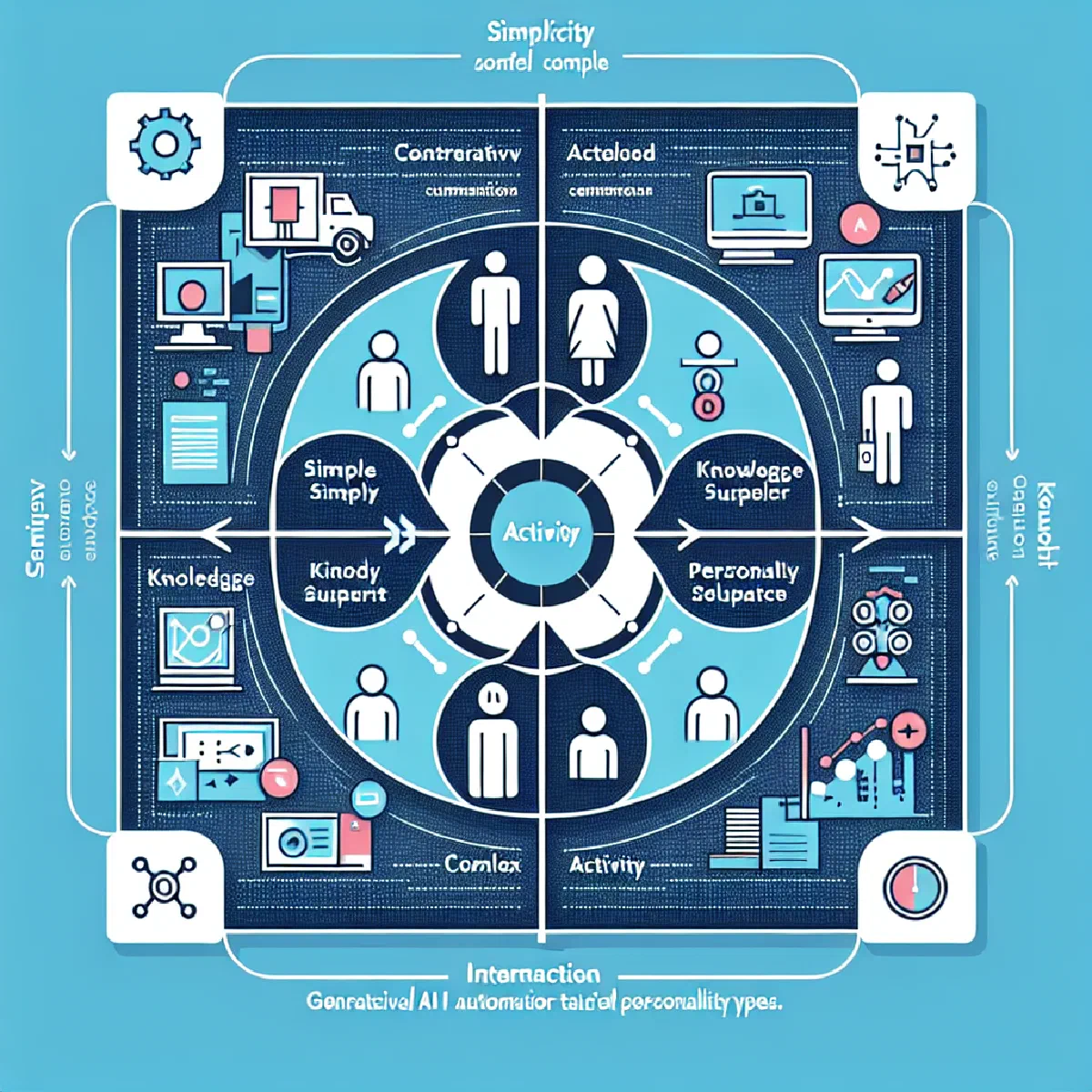
By comprehending their personality type, companies can deploy generative AI automation solutions tailored to their specific needs.

The web article discusses the four personality types of customer support automation. It introduces a framework based on two fundamental axes: “Simplicity” and “Activity.” The “Simplicity” axis measures the complexity of customer support tickets, ranging from simple issues that can be easily automated to complex issues that require skilled human agents. The “Activity” axis measures the level of action or interaction necessary to resolve support tickets, ranging from knowledge-based requests to actions that involve multiple systems. The … read more >

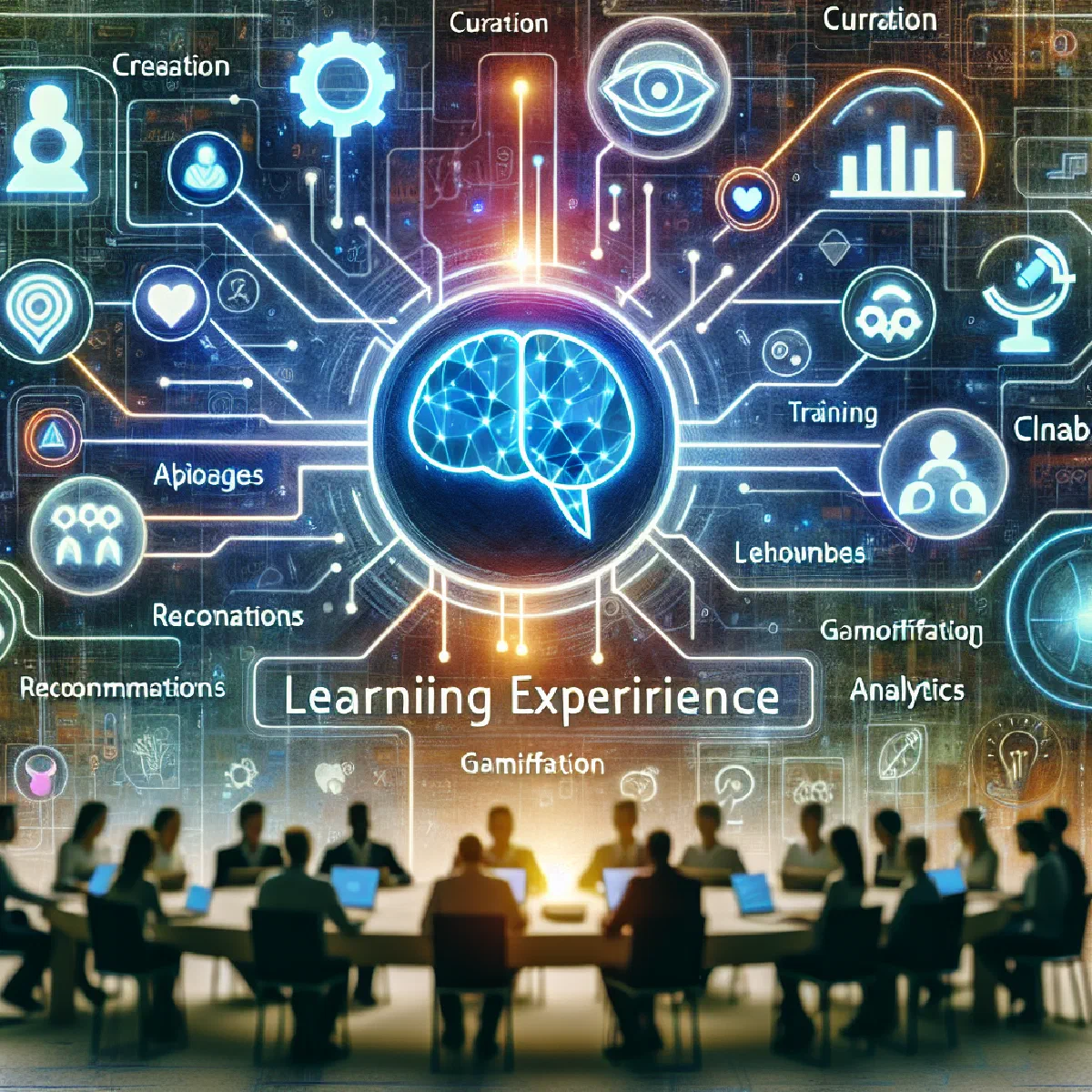
A learning experience platform uses an AI-driven peer learning approach to teach employees in a self-directed way. Find out how LXPs work and are used.

The web article discusses learning experience platforms (LXPs) and their benefits in the context of employee learning and development. LXPs are described as modern platforms that provide a consumer-grade user experience, similar to popular social networking and multimedia sites. They support self-directed learning and personalized recommendations using artificial intelligence (AI). LXPs offer features such as content creation, curation, AI-based recommendations and training, analytics, chatbots, gamification, and integration with e-learning content providers and third-party technology … read more >

Llama 2 avoids errors by staying quiet, GPT-4 gives long, if useless, samples

The article discusses a study conducted by computer scientists at the University of California San Diego on the reliability and robustness of large language models (LLMs) in generating code. The researchers evaluated four different code-capable LLMs using an API checker called RobustAPI. They gathered 1,208 coding questions from StackOverflow involving 24 common Java APIs and tested the LLMs with three different types of questions. The results showed that the LLMs had high rates of API misuse, with GPT-3.5 and GPT-4 from OpenAI exhibiting the highest failure rates. However, Meta’s Llama … read more >

What can leaders do to implement AI in a way that enables people to do their best work, instead of substituting talent or compromising ethics? Read on for six strategies.

The insights in this article include:

1. AI can make work more enjoyable for employees and free them up for creative pursuits. 2. AI can provide real-time market insights for confident decision-making that can yield profits. 3. AI-driven predictive analytics can enhance the accuracy of predictions and provide timely and relevant insights for the retail industry. 4. Employees should remain in charge of collaborations and responsible for accuracy and quality when using AI. 5. Training for necessary tech skills and promoting a culture of lifelong learning can sustain an AI-powered workforce. 6. …

 read more >

Let's embark on a journey to explore not just the current applications, but the future implications of AI in reshaping talent management.

The article discusses how AI is evolving in the field of talent management and human resources. It explains how AI is being used for skills mapping to understand employees’ competencies and guide training and development. AI talent platforms analyze employee profiles, skills, achievements to match people with the right roles and projects. These platforms also facilitate internal mobility by identifying suitable next moves for employees.

A contrarian insight is that while AI promises enhanced efficiency, productivity and fairness in talent management, there are also risks around privacy, …

 read more >