8 February 2024 · found · innovation · technologyThe limitations of generative AIExplore the emerging limitations of generative AI, from false information to potential job displacement, as expectations shift in 2024.bookmark collected newsletter summary
7 February 2024 · found · innovation · technology“Advancing AI: Human-like reasoning & decision-making”Discover how advanced AI systems replicate human-like reasoning and decision-making using the Q* Algorithm for efficient problem-solving and inference.bookmark collected newsletter summary teams
6 February 2024 · business · found · innovation · management · technologyAccenture’s Manish Sharma says those who don’t go all-in on genai this year risk falling behind their rivals as it’s set to impact 40% of working hoursEmbrace GenAI now or risk falling behind. Discover how AI could transform 40% of work hours and why investment is crucial for competitive advantage.bookmark collected newsletter summary teams
5 February 2024 · found · innovation · marketing · technologyLearn more about limitations of AI in providing insights and fresh ideas, securing the future of SEO and ensuring the enduring value of human-authored content.Explore the limitations of AI in SEO and discover why human-authored content remains essential for effective digital marketing strategies.bookmark collected newsletter summary
3 February 2024 · business · found · innovation · management · strategy · technologyOrganizations that follow a progression of steps to achieve digital excellence may see improvements in effectiveness, productivity, performance, and more.Achieve digital excellence by following key steps to enhance effectiveness, productivity, and performance in your organization. Discover how today!bookmark collected newsletter summary teams
31 January 2024 · education · found · innovation · technologyRevolutionizing academia: AI toolsExplore AI tools transforming academia with enhanced writing, research efficiency, and streamlined publishing for students and scholars alike.bookmark collected newsletter summary teams
30 January 2024 · found · innovation · ruby-on-rails · technologyGoogle criticized for privacy issuesExplore the critique of Google’s privacy practices as Ian Hickson defends the company’s intentions and highlights the impact of public skepticism.bookmark collected summary
28 January 2024 · business · found · innovation · management · technologyThe complementary role of AIExplore how AI tools enhance human intelligence in HR, boosting productivity and insights while emphasizing the need for human involvement.bookmark collected newsletter summary teams
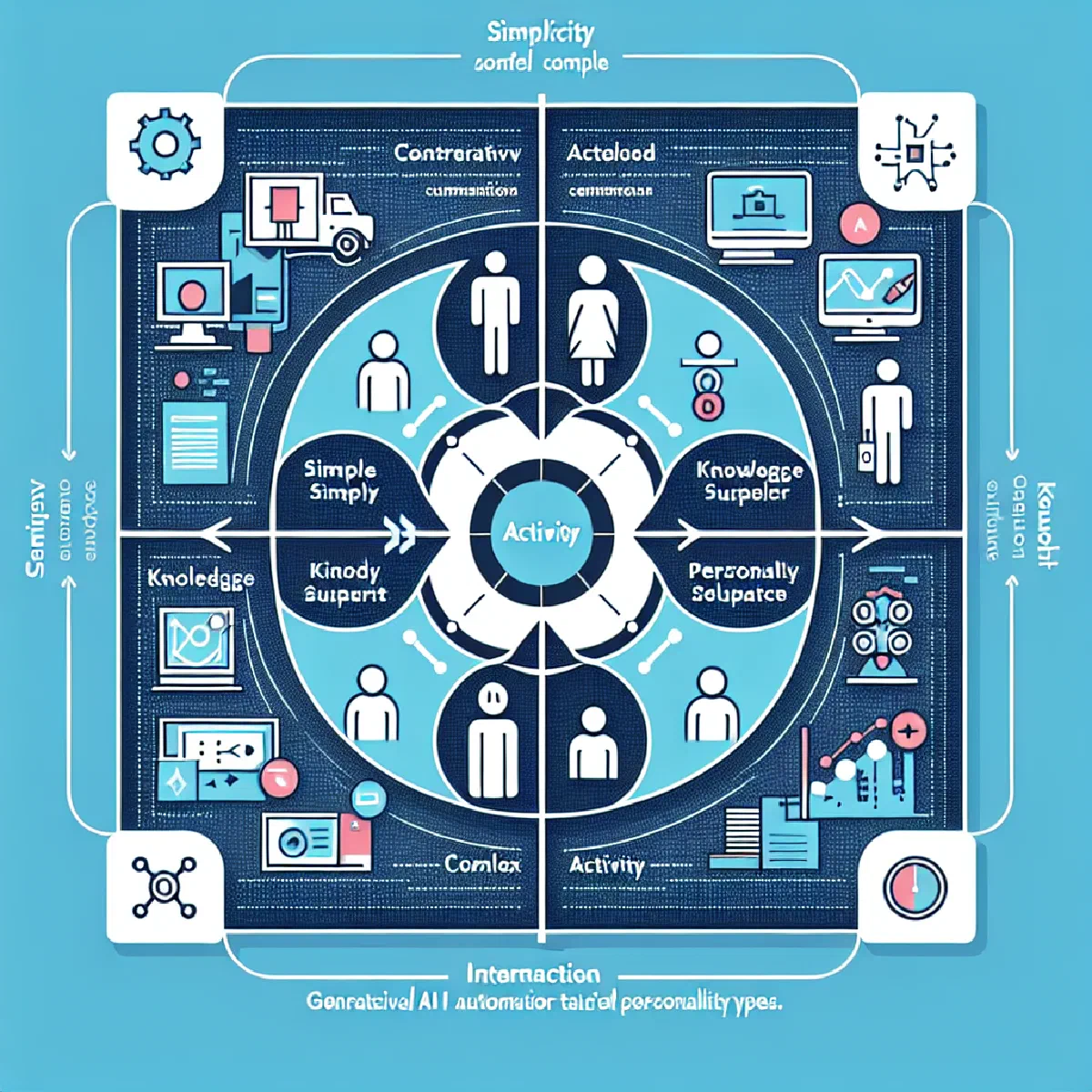
27 January 2024 · business · found · innovation · management · marketing · strategy · technologyBy comprehending their personality type, companies can deploy generative AI automation solutions tailored to their specific needs.Discover how understanding customer support personality types can help businesses implement tailored generative AI solutions for effective automation.bookmark collected newsletter summary teams
25 January 2024 · found · innovation · ruby-on-rails · technologyLlama 2 avoids errors by staying quiet, GPT-4 gives long, if useless, samplesDiscover how Llama 2 outperforms GPT-4 in generating reliable code, revealing crucial insights on the effectiveness of large language models.bookmark collected newsletter summary teams