Every executive in the c suite is braced for AI impacts within their organization. But are they ready for their own jobs to be impacted too?
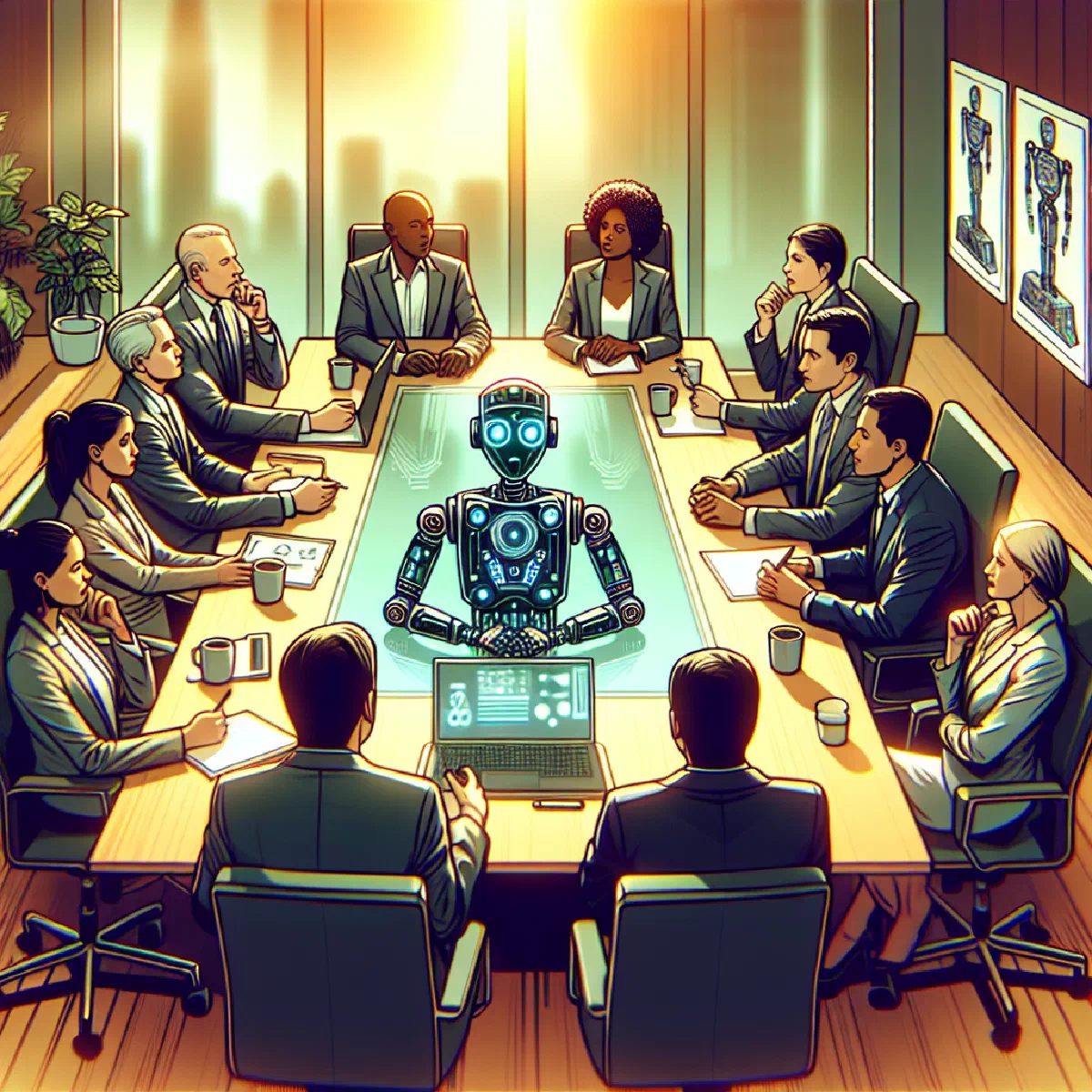
C-suite leaders must proactively embrace AI to enhance decision-making and prepare for the profound changes it brings to their roles and organizations.
The C-suite is bracing for the impact of AI within their organizations, but are they prepared for their own jobs to be impacted? According to a report by Workday, half of CEOs say their organization is at least somewhat unprepared for AI and machine learning adoption. However, decision-makers are generally optimistic about their organization’s ability to adapt. CEOs believe that AI will significantly amplify human potential. To master the changes AI enables, C-suite executives need to augment their decision-making with AI. The study also found that the ability to work closely with new technologies will be the most important skill as AI becomes more integrated into business functions. Analysis: The article emphasizes the need for C-suite executives to adapt to the changes that AI will bring to their organizations. While the report shows that many CEOs feel unprepared for AI adoption, there is optimism about the potential benefits of AI. The article highlights the importance of self-disruption and the ability to work closely with new technologies as key skills for leaders in the age of AI. Overall, the article suggests that C-suite executives need to be proactive in leveraging AI rather than being passive recipients of its impacts.
https://www.cio.com/article/1293438/3-ways-ai-is-set-to-disrupt-the-c-suite.html
Nobody takes you aside anymore
Print taught a generation when to stop. What we lose when the machines absorb the constraints that used to form us.
Your AI agents need a water cooler
Coordination is a property of the room, not the org chart. What that means when your coworkers are agents.
On the death of the author and the birth of the detector
Why worrying about AI authorship is lazier, and more prejudiced, than it looks.
The work of being available now
A book on AI, judgment, and staying human at work.
The practice of work in progress
Practical essays on how work actually gets done.
Artificial intelligence could hit three in five workers — Possibly replacing their jobs. The warning comes in a new international monetary fund report on the future of work. It warned of lower sala…
AI could replace three in five workers, warns an IMF report, signaling potential job loss and lower salaries. Discover the implications for the future of work.
Atlassians choose where they work, every single day. Download our free report to see what we’ve learned as a result.
Explore Atlassian's insights on flexible work policies and employee satisfaction. Download the free report to learn from their distributed work experience.
The question over whether to allow employees to work from home has been settled. here’s the new normal.
Explore why the shift back to office work may fail as data supports remote work's benefits for productivity and employee well-being.